
Never Fill a Guest’s Teacup to the Top
In my hometown in Fujian, there’s a New Year tradition: the first thing we do in the morning is drinking tea. It’s not just tea leaves—there are a few pieces of mandarin and a small spoon of sugar. Slightly sweet, slightly bitter, warm in the hands—a simple way to start the year well.
During the New Year, relatives and friends visit one another. The moment we heard someone at the door, we would bring out freshly brewed tea. When I was young, I always filled each cup to the brim to show enthusiasm. My mother would stop me and say, “Don’t fill it up.”
I never understood. I thought she was just saving hot water because it may not be sufficient if new guests arrive in seconds. One day, she finally explained,
In the countryside, filling a teacup to the top means you’re sending the guest off.
That completely surprised me.
“A full cup of tea offends; a full cup of wine shows respect.”
In Fujian and Guangdong, there’s a saying:
“Tea full offends; wine full respects.”
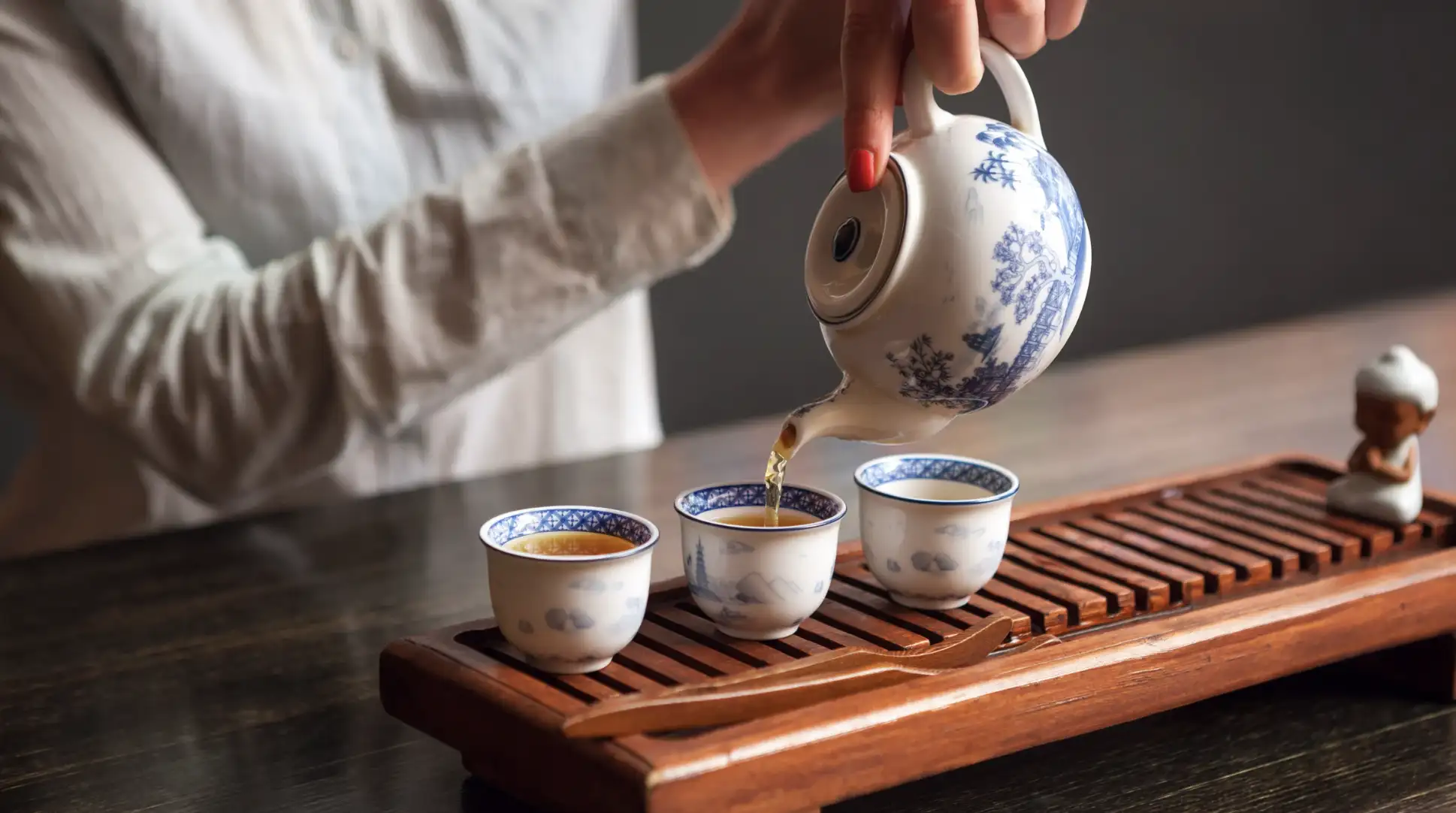
When serving Baijiu (Chinese rice wine), filling the glass to the top shows generosity. Tea is different. The cups are small, there’s no handle, and the water is hot. If the cup is filled to the top, the guest can’t hold it comfortably and risks burning their fingers.
So people say:
Pour tea to seventy percent; leave thirty percent as courtesy.
The seventy percent here means a comfortable level – never to the brim. And that thirty percent of empty space gives:
• room to hold the cup safely
• space for the tea aroma to gather
• a natural invitation for refilling and continuing the conversation
A full cup feels pushy.
My mother would say, “When people drink tea, they like to hold the cup steady. If it’s too full, it’s more trouble than comfort.”
So not filling the cup isn’t being cold—it’s simply being considerate.
Then why do some hosts fill the cup sometimes?
It may sound humorous, but in village life, it’s a practical form of communication.
People used to be busy with farm work, and time was precious. Sometimes the host couldn’t continue chatting but didn’t want to be blunt. So the teacup became a quiet signal:
• A 70% cup means stay a while, and it will be refilled.
• A full cup means this is the last pour today.
A full cup sits and cools. The guest understands it’s time to leave.
My mother said, “It’s not about driving people away. It’s simply drawing a natural ending. Both sides understand.”
In rural manners, even tea can carry a message.
The Sense of Proportion in Tea
As I grew older, I noticed that my mother always poured tea the same way:
• gently
• stopping at the right point
• never rushed
Pouring seventy percent feels like the everyday sense of balance people rely on. Not a strict rule, just a habit: make others comfortable, but leave a little space for yourself too.
These small lessons appear again and again around the tea table and the life as well – simple, but steady.
If you pay attention next time someone serves you tea, you might observe:
• How much did they pour?
• What is that bit of empty space for?
Maybe a single cup of tea can show you the subtle way Chinese hospitality works.